Soybeans
International sourcing and marketing of whole soybeans for oilseed crushers, feed manufacturers, food processors, importers and commodity buyers.
Request a Soybeans Offer →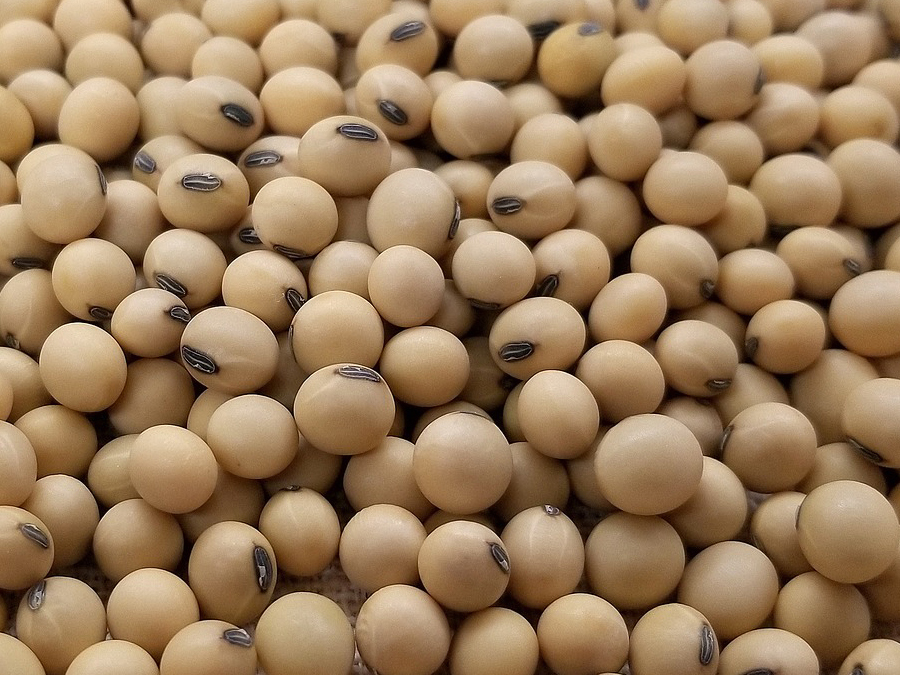
Bulk Soybeans for Processing & Trade.
Soybeans, botanically known as Glycine max, are an important oilseed crop widely used in the production of soybean oil, soybean meal and various food ingredients.
Whole soybeans are traded internationally for crushing, animal nutrition, food processing and other industrial applications. Buyer specifications vary according to the intended end use.
Ghosh Products & Resources evaluates soybean sourcing opportunities according to origin, protein and oil content, moisture, foreign matter, GMO status, logistics and contractual terms.
GMO & Non-GMO Soybeans.
Soybeans are traded under different production and identity-preservation requirements. GMO status must be considered alongside destination regulations and the buyer's intended use.
Non-GMO Soybeans
Soybeans marketed as non-GMO are intended to meet agreed requirements relating to genetically modified material, supported by suitable declarations or testing where required.
- Buyer-defined GMO thresholds
- Origin and traceability considerations
- Food and processing applications
- Agreed documentation or testing
GMO Soybeans
Genetically modified soybean varieties are widely cultivated in certain major producing markets and traded for permitted processing and industrial uses.
- Origin-specific crop varieties
- Oilseed crushing applications
- Feed industry supply chains
- Subject to importing-country rules
Non-GMO does not mean organically certified. GMO classification, testing thresholds, certification and import permissions must be confirmed for each proposed trade. Neither category represents guaranteed current availability.
Applications & Buyer Segments.
Soybeans support diverse food, feed and oilseed processing industries, with different specifications depending on the end-use requirements.
Oilseed Crushing
Soybeans are processed to extract soybean oil and produce protein-rich soybean meal for downstream industries.
Animal Feed Industry
Soybean-derived meal is used extensively in feed formulation. Whole soybean use depends on appropriate processing and nutritional requirements.
Food Processing
Suitable soybean grades are used in soy foods, protein ingredients and other food products according to processing specifications.
Global Soybean Producing Markets.
Soybeans are produced across major agricultural regions. Commercial sourcing depends on origin, crop season, soybean classification, trade restrictions and supplier availability.
Brazil
Major international soybean producing and export market.
United States
Established soybean producer and international commodity export origin.
Argentina
Significant soybean growing and oilseed processing market.
Mozambique
Regional soybean producing market, including opportunities requiring origin-specific quality verification.
The above origins are examples of soybean producing markets, not a confirmation that Ghosh Products currently holds inventory or can offer supply from every origin. Import eligibility, GMO status and commercial availability must be independently verified.
Soybean Commercial Specifications.
Commercial soybean contracts typically define quality, quantity, origin, inspection and shipment requirements. Exact acceptable levels should be specified for each purchase.
| Parameter | Commercial Description |
|---|---|
| Product | Whole Soybeans |
| Botanical Name | Glycine max |
| Origin | As stated in the supplier's commercial offer |
| Crop Year | As declared and agreed for the transaction |
| GMO Status | GMO or non-GMO, subject to declarations, testing and destination-country requirements |
| Protein Content | Minimum percentage as agreed, with analytical basis defined in contract |
| Oil Content | Minimum percentage as agreed, with testing basis specified |
| Moisture | Maximum permitted moisture percentage according to contract |
| Foreign Matter | Maximum acceptable percentage as agreed between parties |
| Damaged Beans | Defect categories and permitted tolerances as agreed |
| Split / Broken Beans | Acceptable limits subject to buyer specification |
| Packing | Bulk or bagged shipment as commercially agreed |
| Quantity | Subject to available commercial offer |
| Incoterms | FOB, CFR, CIF or other agreed delivery terms |
| Inspection | Sampling, laboratory analysis and third-party inspection as agreed |
| Shipment Period | As per confirmed sales contract |
| Payment Terms | Subject to commercial negotiation and agreement |
Note: The above table identifies common international soybean trading parameters and is not a binding specification or current sales offer. Protein and oil percentages should specify the applicable moisture or dry-matter basis. Final quality, GMO status, import permissions and shipment terms must be agreed and verified before contract execution.
Quality Assessment & Shipment Considerations.
Commercial soybean sourcing benefits from clearly defined laboratory parameters, sampling methods and shipment documentation.
Laboratory Analysis
Protein, oil content, moisture and physical quality may be examined through agreed laboratory methods.
GMO Documentation
Supplier declarations, traceability records and GMO testing may be required depending on destination and contract.
Shipment Inspection
Quality, quantity, loading conditions and commercial documentation may be independently verified if contractually agreed.
Looking to Source Soybeans?
We welcome enquiries from commodity importers, oilseed crushers, food processors, feed manufacturers and wholesale agricultural buyers.
Share your quantity, required soybean classification, protein and oil specifications, preferred origin, destination and shipment requirements with our trade team.
Send Soybeans Enquiry →Information to Share
- GMO / Non-GMO requirement
- Required quantity (MT)
- Preferred origin
- Crop year
- Minimum protein content
- Minimum oil content
- Maximum moisture
- Foreign matter tolerance
- Packing preference
- Destination port
- Shipment period
- Payment / Incoterms
Soybeans — Trade FAQs.
What are the main commercial uses of soybeans?
Soybeans are commonly processed for soybean oil, soybean meal, food ingredients and other industrial uses. Applications depend on grade, processing requirements and local regulations.
What is the difference between GMO and non-GMO soybeans?
GMO soybeans contain genetically engineered traits, while non-GMO soybeans are marketed against agreed requirements concerning genetically modified material. Testing thresholds and documentary standards depend on the contract and destination market.
Does non-GMO mean organic?
No. Non-GMO classification and organic certification are different requirements. Organic status requires applicable certification and compliance with the relevant organic standard.
Which quality parameters matter in soybean trading?
Key parameters often include protein content, oil content, moisture, foreign matter, damaged beans, crop year, origin and GMO status.
Can GMO soybeans be imported into India?
Import eligibility depends on the intended use, product classification and current Indian regulatory permissions. No shipment should be assumed permissible without checking the applicable requirements with the relevant authorities and compliance advisers.
How can I request a commercial soybean offer?
Provide the quantity, GMO classification, origin, protein and oil requirements, destination port, shipment period and preferred trade terms through our Contact page.
Discuss Your Soybean Sourcing Requirements.
Connect with Ghosh Products & Resources Private Limited to discuss soybean origin, quality specifications, commercial sourcing options and international trade terms.